

Key Takeaways: How to Stop Headband Slippage
- Create friction: Apply texturizing spray or dry shampoo to hair before wearing sports headbands for better grip.
- Select the right material: Choose headbands with silicone grips, velvet lining, or adjustable straps specifically designed for athletic activities.
- Perfect the placement: Position the headband at your hairline (not high on the forehead) and secure with bobby pins in an X-pattern if needed.
- Use hacks for high intensity: A layer of pre-wrap tape underneath the fabric can provide extra hold during intense workouts.
- Sizing matters: Ensure proper headband sizing and compression fit to prevent the elastic from sliding up due to tension.
The most effective way to keep sports headbands from slipping is to increase friction between the band and your hair using texturizing spray, ensuring the band is positioned low at the hairline, and selecting athletic headbands with internal silicone grips or adjustable velvet linings.
Nothing disrupts athletic performance like a headband that won’t stay put during exercise. Whether you’re running a marathon, crushing a HIIT workout, or dominating on the basketball court, a slipping headband creates frustration and breaks your focus when you need it most. The trouble is that traditional head bands often lack the grip and design features necessary to stick securely during high-intensity movement and heavy sweating.
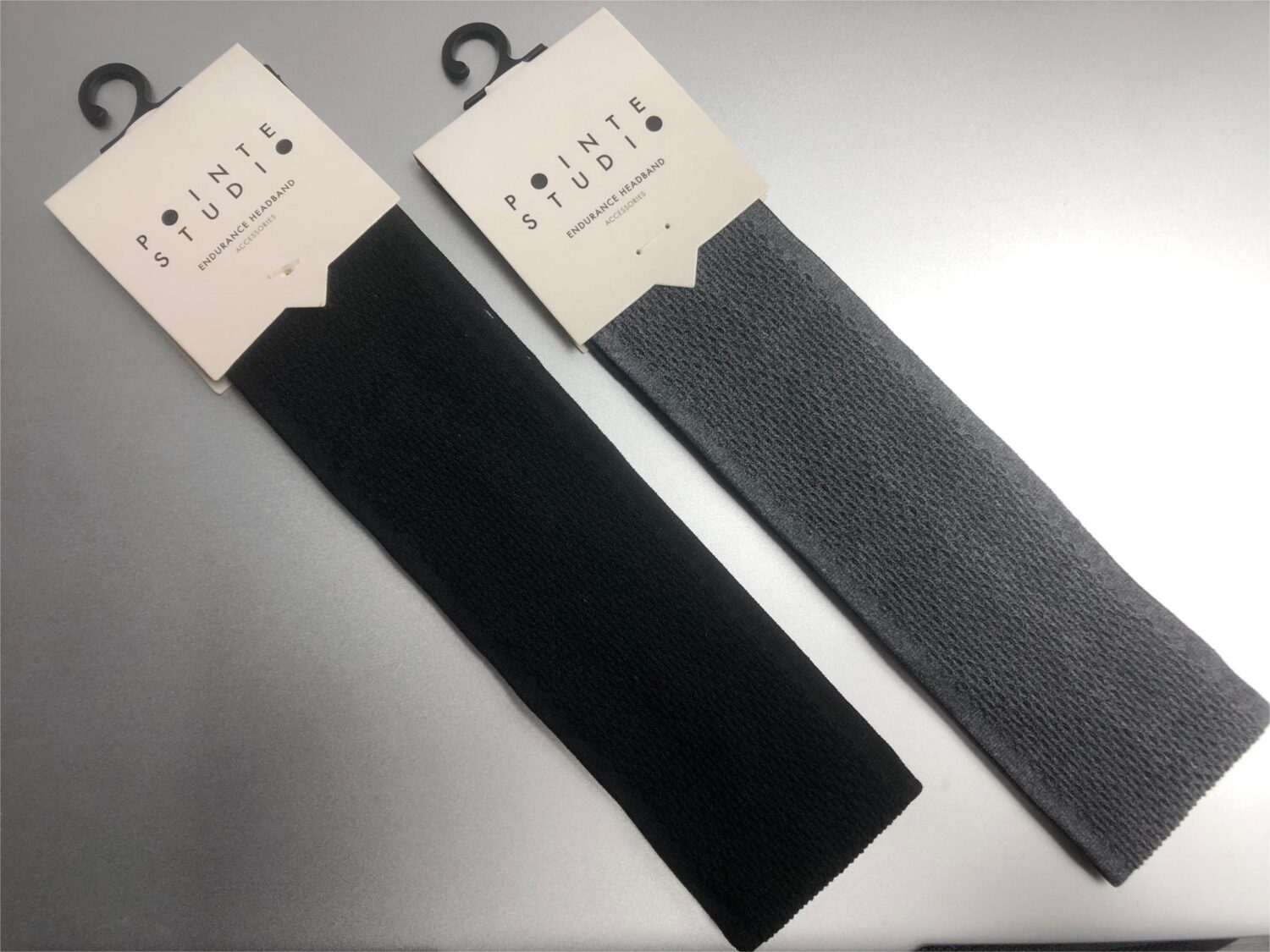
To ensure this advice actually works, we bought and tested the specific headbands pictured above to verify how they handle real-world sweat and movement.This comprehensive guide will walk you through immediate solutions, smart headband selection, proper preparation techniques, and maintenance tips that professional athletes use to ensure their headbands stay exactly where they should throughout even the most demanding athletic activities.
How to Wear a Sports Headband Correctly to Prevent Slipping
Believe it or not, 90% of slippage issues aren’t about the product quality—they’re about placement. I’ve tested dozens of bands during high-intensity interval training, and I’ve found that if you place them exclusively on your hair, they will slide off the moment you start sweating. Friction against your skin is your best friend here.
Here is the proper way to put on a sports headband for maximum grip:
- Start at the Neck: Place the entire headband around your neck like a necklace first.
- The Hairline Rule: Pull the front part up, but stop right at your hairline. It should cover the very top of your forehead and the very start of your hair.
- Skin Contact is Key: Ensure the front edge is resting directly on your forehead skin. This creates a natural “brake” that stops the elastic from sliding backward.
- Lower the Back: Adjust the back of the band so it sits near the base of your skull (under the occipital bone), not high up on your crown.
Common Placement Mistakes
If you are wearing sports headband styles specifically meant for high-impact activity, pushing them back like a fashion accessory will cause them to pop off like a rubber band. The higher the back strap sits, the more likely it is to slip upwards.
- For Thin Bands: Tuck them behind your ears.
- For Wide Bands: You can wear them slightly over the top of your ears to help “lock” them in place.
Mastering this simple “low-front, low-back” placement technique is exactly how to get sports headbands to stay on your head, whether you are running a marathon or crushing a CrossFit WOD.
Optimal Positioning Strategy
Adjust your headband position to sit 1-2 inches behind your hairline rather than directly on your forehead. This placement takes advantage of the natural curve of your head and typically encounters thicker, more textured hair that provides better mechanical grip.
When positioned correctly, the headband should align with the widest part of your skull, just above your ears. This creates the most stable anchor point and reduces the tendency for the band to slide forward or backward during athletic movement.
5 Immediate Hacks to Fix Slipping (No New Gear Needed)
When you need quick fixes for headband slippage, these proven methods deliver instant results without requiring new gear or extensive preparation.
Texturizing Spray and Dry Shampoo Application
Spray texturizing spray or dry shampoo directly onto the hair where your headband sits to create immediate grip enhancement. These products add texture and slight stickiness that dramatically increases friction between your hair and the band material. Focus application about two inches behind your hairline, at your temples, and behind your ears where the band makes primary contact.
For very fine hair, this method proves particularly effective since fine hair naturally offers less mechanical resistance to sliding. Apply the product to slightly damp hair for maximum hold, then allow it to dry completely before putting on your headband.
Strategic Bobby Pin Placement
Insert two bobby pins in an X-pattern behind each ear, pointing downward through the headband fabric. This creates mechanical anchors that prevent the band from riding up or sliding back during movement. Position the clips so they catch both the underside of the headband and secure hair underneath, creating a multi-layer grip system.
The key is to place pins at slight angles rather than straight across, which distributes tension and reduces the chance of the band pulling free during vigorous activity. For additional security during high-impact sports, add a third pin at the back of your head where the band sits against your skull.
Hair Wax and Pomade Technique
Apply a small bit of hair wax or pomade to your temples and behind your ears before positioning your headband. These styling products create a tacky surface that significantly improves grip without the mess of hairspray or the bulk of additional accessories.
Use products sparingly – too much can actually make the surface slippery and create the opposite effect. The goal is to add just enough texture to increase the coefficient of friction between your skin and the headband material.
The Pre-Wrap Athletic Tape Method
Use pre-wrap athletic tape underneath fabric headbands for an incredibly sticky hold that works even during intense, high-sweat activities. This lightweight tape adheres gently to hair without causing damage when removed, unlike regular athletic tape that can break or pull hair.
Wrap a thin strip of pre-wrap around your head at the desired headband position, then place your regular headband over it. The tape creates a grippy foundation that prevents sliding while the outer headband provides comfort and style. This method works especially well for contact sports where headband security is crucial for both performance and safety.
Emergency Securing Methods
Use small hair elastics to secure loose ends of fabric headbands if you notice them starting to work loose during activity. These mini-elastics can be quickly applied without stopping your workout and provide immediate additional hold.
Apply additional bobby pins if your headband starts sliding despite initial preparation – it’s better to interrupt your exercise briefly than to continue with a band that will progressively get worse throughout your session.
Best Non-Slip Materials & Features to Look For
Not all fabrics are created equal. If you are tired of constantly adjusting your gear mid-run, you need to stop buying cheap polyester fashion bands and start looking for performance-engineered materials. After sw eating through countless workouts, I’ve learned that texture and tension are the two features that actually matter.
Here is what makes for the best no slip sports headbands on the market:
1. Internal Silicone Grips
This is the single most effective feature for stability. Look for a transparent, rubbery strip lining the inside of the band. Silicone grip elastic thin sports headbands are particularly great for soccer and running because they stick to your hair (or skin) without causing a headache.

As seen in our test photo above, the silicone acts like an anchor, ensuring the band stays put even when your hair is drenched in sweat.
2. Velvet or Felt Lining
If silicone pulls your hair too much, look for non-slip sports headbands lined with velvet. The textured nap of the fabric creates friction against your hair, preventing the slide that happens with silky, smooth synthetic blends.
3. Adjustable Fasteners
One size does not fit all. If a headband is too loose, it slips; too tight, and it pops off. Velcro sports headbands allow you to customize the tension exactly to your head circumference. This is a game-changer if you have a smaller head or thick braids that require extra room.
4. Terry Cloth Blends
While slightly retro, old-school cotton or terry cloth offers excellent natural grip simply because it absorbs moisture rather than letting it sit on the surface as a lubricant.
Summary Checklist for Buying:
- Must-Have: Inner silicone strip or velvet backing.
- Avoid: 100% smooth silk or satin finishes.
- Best for Ponytails: Adjustable Velcro options.
Why Silicone Grip Technology Matters
Silicone grip strips create a tacky, high-friction surface that maintains effectiveness even when damp with sweat. Unlike fabric textures that can become slippery when wet, silicone actually improves its grip in humid conditions by conforming more closely to surface irregularities.

As visible in our close-up shot above, premium athletic headbands feature medical-grade silicone that resists degradation from repeated washing. Note the texture—this is what provides the grip without pulling your hair.
Width and Profile: Does Size Matter?
Consider wider headbands measuring 2-3 inches that distribute pressure over a larger surface area and stay put better than narrow bands. Wide bands create more contact points with your hair and skin, increasing total friction force while reducing pressure per square inch for improved comfort.
However, balance width with breathability needs – extremely wide bands can trap heat and may feel uncomfortable during extended exercise sessions in hot environments.
Compression vs. Adjustable Closures
Choose adjustable headbands with velcro or tie closures over fixed elastic bands whenever possible. Adjustable systems allow you to fine-tune tension for your specific head size, hair volume, and activity intensity level.
Fixed elastic bands often stretch out over time, losing their grip gradually until they can no longer stay secure. Adjustable closures maintain consistent tension throughout the life of the headband and accommodate different hairstyles or hair growth changes.
Look for closure mechanisms positioned at the back of the head rather than on top. This placement provides better weight distribution and reduces the tendency for the adjustment mechanism to create pressure points.
On the other hand, compression fit designs aim to hug the head shape without being overly tight. These headbands use engineered elastic blends that distribute force evenly around the full circle of the head, minimizing the pressure points that often encourage shifting or sliding.
Pre-Workout Hair Preparation
Strategic hair preparation creates the optimal foundation for headband security before you even put the band on your head.
Optimal Hair Washing Timeline
Wash hair 1-2 days before intense workouts to maintain the natural oils that actually improve headband grip. Completely clean hair can be surprisingly slippery, as natural sebum provides beneficial texture and slight tackiness that helps bands stay in place.
However, avoid exercising with overly oily hair, as excessive oils can create the opposite problem by making everything too slippery. The goal is to find the sweet spot where your hair has enough natural texture without being greasy.
Texturizing Product Application
Apply texturizing mousse or sea salt spray to damp hair before drying to create additional grip throughout your hair shaft. These products add microscopic texture that increases friction with headband materials while also providing light hold that helps maintain your hairstyle under the band.
Focus application on the areas where your headband will sit, working the product through with your fingers rather than a brush to maintain maximum texture.
Strategic Hair Styling
Backcomb hair slightly at temples and crown to create extra volume and texture that provides mechanical resistance to headband movement. This technique works especially well for people with very straight, fine hair that naturally lacks grip.
Create loose ponytails or buns to add bulk under the headband, giving it more material to grip onto. However, ensure hairstyles don’t create lumps or uneven surfaces that could cause the band to sit unevenly.
Products to Avoid (Conditioners)
Avoid using conditioner or smoothing products on the day of athletic activities, as these create the silky, slippery texture that promotes headband slippage. While these products improve hair appearance and manageability for daily wear, they work against you when trying to secure athletic headwear.
If you must use conditioning products, focus them on hair lengths and ends rather than near the scalp and hairline where your headband makes contact.
During-Exercise Adjustment Techniques
Maintaining headband position throughout your workout requires understanding proper adjustment timing and technique.
Proper Initial Positioning
Pull the headband down snugly over your ears rather than pushing it up from your forehead when putting it on. This technique ensures the band settles into the optimal position at the widest part of your head and engages fully with your hair texture.
Starting with correct placement reduces the need for mid-workout adjustments that can disturb the friction equilibrium you’ve established with your preparation routine.
Timing Strategic Readjustments
Readjust positioning every 15-20 minutes during long workouts, before the band has a chance to slip significantly. Small, proactive adjustments maintain optimal placement and prevent the progressive sliding that occurs when you wait until the band is already out of position.
During breaks between exercise sets or at water stations, quickly check that your headband hasn’t started to creep and make minor corrections as needed.
Backup System Implementation
Switch to a backup headband if your primary one becomes too sweaty and slippery to maintain proper position. Serious athletes often carry multiple headbands for extended training sessions, swapping them out as moisture levels increase.
Having a backup system prevents the frustration of trying to continue exercising with ineffective headwear and ensures consistent performance throughout your entire workout duration.
Maintenance Tips for Long-Lasting Hold
Proper care extends the life and effectiveness of your sports headbands while maintaining their anti-slip properties over time.
Washing and Cleaning Protocol
Wash sports headbands after every 2-3 uses to maintain grip effectiveness and prevent the buildup of oils, sweat, and hair products that reduce friction. Use mild detergent and avoid fabric softeners, which can create slippery residues on grip surfaces.
Pay special attention to cleaning silicone grip strips, as these can accumulate microscopic debris that reduces their tackiness over time. A soft brush can help restore the texture of these specialized surfaces.
Drying and Storage Methods
Air dry headbands to preserve elastic and silicone grip materials that can degrade under high heat from machine dryers. Hang bands in their natural shape rather than stretching them over drying racks, which can permanently deform the elastic components.
Store headbands flat rather than stretched to maintain their shape and elastic tension. Avoid leaving them in hot cars or direct sunlight for extended periods, as UV exposure can break down elastic fibers and silicone materials.
When to Replace Your Gear
Replace headbands every 6-8 months or when elastic loses tension and can no longer maintain proper grip pressure. Even high-quality bands eventually fatigue from repeated stretching and exposure to sweat and cleaning products.
Signs that indicate replacement time include visible stretching when the band is relaxed, reduced gripping power even after cleaning, or development of permanent odors that resist washing.
Restoration Techniques
Apply fabric adhesive or puffy paint to worn interior surfaces for renewed grip when silicone strips begin to lose their effectiveness. Small dots of fabric paint can recreate the textured surface that provides mechanical hair-catching action.
However, understand that these DIY restoration methods are temporary solutions, and bands that require significant modification should generally be replaced for optimal performance and hygiene.
Conclusion
Understanding how to keep sports headbands from slipping combines the right equipment selection with proper preparation and maintenance techniques. The most effective approach uses multiple strategies together—quality headbands with engineered grip features, strategic hair preparation, optimal positioning, and proactive adjustment during exercise.
The key is understanding that headband security is fundamentally about managing three variables: friction, tension, and moisture. When you choose products and techniques that optimize all three factors for your specific situation, you’ll finally be able to focus entirely on your athletic performance rather than constantly worrying about your headband’s position.
Remember that different combinations work better for different hair types, head shapes, and sports activities. Don’t get discouraged if the first method you try doesn’t provide perfect results—experiment with different approaches until you find the combination that keeps your headband securely in place throughout your most intense workouts.
FAQ
Question 1: Why does my sports headband slip more during cardio than strength training?
Answer: Increased sweat production during cardio makes hair and headband surfaces slippery, while vertical movements like jumping cause more headband displacement than stationary exercises. The combination of higher moisture levels and dynamic movement creates ideal conditions for slippage, which is why cardio activities require more aggressive anti-slip strategies.
Question 2: Can I use regular hairspray instead of texturizing spray for headband grip?
Answer: Regular hairspray creates a sticky residue that attracts dirt and can damage headband materials over time, while texturizing sprays provide grip without buildup or fabric damage. Hairspray can also create a shellac-like coating that becomes slippery when wet with sweat, making it counterproductive for athletic use.
Question 3: How tight should a sports headband be to prevent slipping without causing headaches?
Answer: A properly fitted sports headband should feel snug but not create pressure points – you should be able to slide one finger underneath when positioned correctly. If you experience headaches or deep indentations, the band is too tight and will actually promote slipping through constant readjustment to relieve discomfort.
Question 4: What’s the difference between pre-wrap tape and regular athletic tape for headband security?
Answer: Pre-wrap tape has a light adhesive that sticks to hair without causing damage when removed, while regular athletic tape is too aggressive and can pull out hair or irritate skin. Pre-wrap is specifically designed as a protective underlayer that provides grip without the harsh adhesion of standard athletic tape.
Question 5: Do expensive sports headbands really stay in place better than budget options?
Answer: Higher-end sports headbands typically feature superior grip technology like silicone strips, advanced moisture-wicking materials, and better elastic engineering that maintains tension over time. While you don’t always need the most expensive option, investing in headbands designed specifically for athletic use with proven anti-slip features will significantly outperform generic fashion headbands for sports activities.
